Because if you’re going to have anxiety, at least let it count your steps.
In the age of nostalgia playlists and lifting heavy to Hawthorne Heights, your fitness grind deserves more than a basic step counter. Whether you’re leveling up in the gym, dialing in your recovery, or trying to outpace your burnout, fitness wearables can give you the data to back your dedication. But with so many options — WHOOP, Oura, Fitbit, Apple Watch, Garmin, and newer players like Alter — it’s hard to know which one is worth strapping to your wrist (or finger).
So here’s your crash course — emo but efficient — on what these devices actually do for you.
WHOOP: The Recovery Whisperer
Best for: Data nerds, high performers, and people who want to feel their overtraining before it hits.
Not for: Folks who just want to count steps.
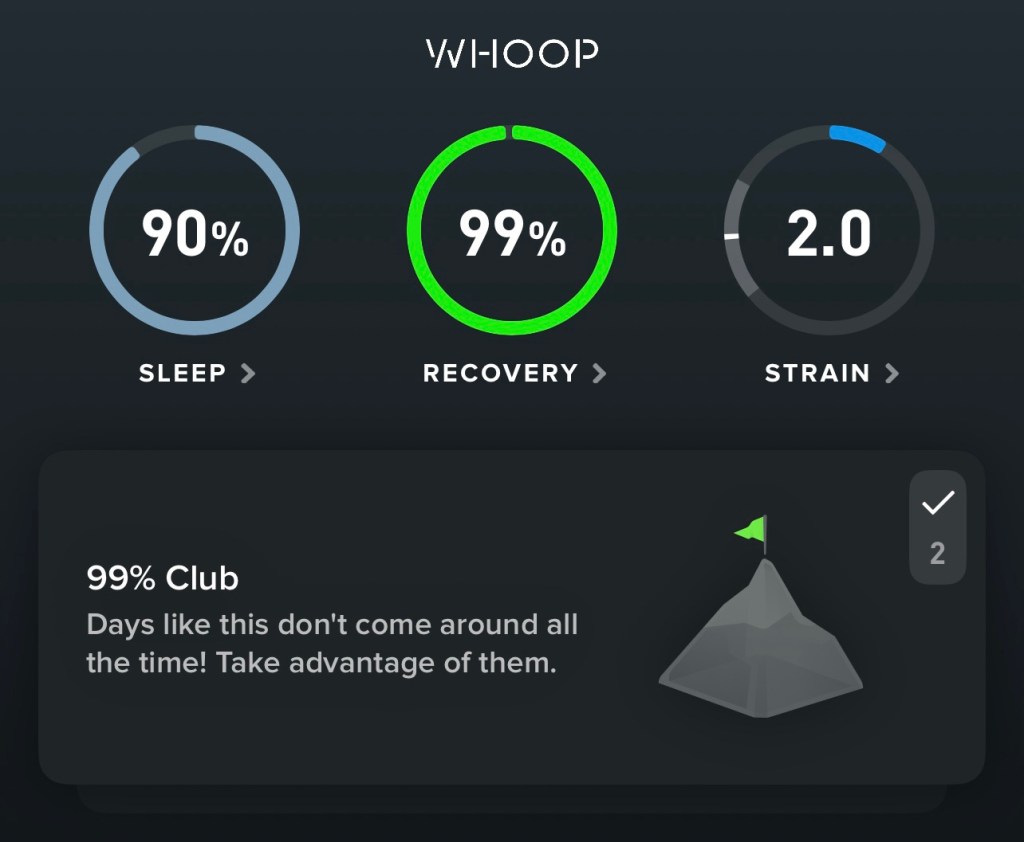
WHOOP doesn’t have a screen — because it’s not about looking cool, it’s about getting real with your recovery. It tracks strain, sleep, and recovery with insane accuracy. Want to know how your weekend wine and late-night MCR karaoke are affecting your HRV? WHOOP’s got receipts.
Pros: Recovery-first, subscription includes personalized insights, strain score is clutch
Cons: Monthly membership required, no screen
Elder emo score: 9/10 for those in their healing era
🧡K.J. used and approved
Oura Ring: Sleek, Silent, and Subtle
Not for: Those who want workout metrics on the fly.
Best for: People who hate wearing watches or want 24/7 tracking without the techy look.
This smart ring looks like something your favorite bassist would wear in 2007, but under the hood it’s all about sleep, stress, and recovery. It’s surprisingly accurate for such a small package and focuses heavily on holistic health tracking.
Pros: Stylish, lightweight, excellent sleep data, menstrual tracking
Cons: No workout display, requires app for data access, pricey
Elder emo score: 8/10 if you’re into vibes and vitals
Alter: The New Kid With DNA-Level Metrics
Best for: Biohackers and tech-savvy gym bros.
Not for: Casual users or folks who don’t want to wear sensors.
Alter is still early in the game but is pushing the envelope. You start with getting DNA-Based Insights: Combines biometric data with your DNA to create a personalized fitness plan, nutrition guide, and recovery routines.
Pros: DNA-Based Insights, Alter System for feedback, custom-tailored workout routine and recovery recommendations
Cons: Limited availability, pricey, not beginner-friendly
Elder emo score: 7/10, but rising — once it’s more mainstream, it’ll hit hard
🧡K.J. used and still trying it out.
Apple Watch: The All-Around MVP
Best for: Apple users, multitaskers, and people who want fitness + productivity in one.
Not for: Android users or those who want super detailed recovery metrics.
Apple Watch does a lot well: heart rate tracking, workout modes, sleep (kind of), notifications, and even ECG if you’re feeling extra. With third-party apps like Gentler Streak and Strong, it can become a full-fledged wellness coach. But recovery data isn’t as deep as WHOOP or Oura.
Pros: All-in-one tool, excellent UI, massive app support
Cons: Battery life meh, less focus on long-term recovery
Elder emo score: 8.5/10 for those who want tech with their tracks
🧡K.J. used and pretty much my notification choice. Prefers Whoop.
Garmin: The Ultra-Endurance King
Best for: Runners, cyclists, hikers — or anyone training for something that requires pain and GPS.
Not for: Folks who just want a casual lifestyle tracker.
Garmin has fitness wearables that go from entry-level to ultra-pro. With insane battery life, precise GPS, and deep training analytics, Garmin watches are ideal if you want your training to feel like an RPG quest.
Pros: Durable, detailed training feedback, long battery life
Cons: Less sexy UI, bulkier models, can be overwhelming
Elder emo score: 9/10 if you treat your workouts like boss battles
Fitbit: The Friendly OG
Best for: Beginners, casual users, and anyone who wants sleep + steps + heart rate in a simple app.
Not for: People looking for high-performance fitness data.
Fitbit helped start the wearable craze and it’s still a solid choice. It’s less intense than WHOOP or Garmin, but great for forming habits and staying accountable. Newer models include stress management and even mindfulness prompts (because crying in the squat rack isn’t always enough).
Pros: Affordable, user-friendly, solid health tracking
Cons: Less precise for workouts, minimal recovery data
Elder emo score: 7/10 for those just starting their health journey
🧡K.J. used in the past prior (1st wearable).
Which One’s For You?

Your fitness tracker should work for you, not stress you out with more stats and comparisons. Whether you’re running from your feelings or lifting through them, there’s a wearable to match your pace and your playlist.
So go ahead — track it like it’s 2005, and don’t forget to stretch after crying in the gym.
Need help choosing or want to see how wearables can boost mental health, too?
Drop a comment or DM over at Panic With Your Gym Bro — let’s overanalyze our heart rates together.
 Panic! With Your Gym Bro